15 - Light Voices #2 – Jo Calver
Show notes
SOUND BITES
– "Light is literally the unsung hero. It is everything about your project." – "Do not get your electrician to do your lighting design if you want a good lighting." – "Learning about lighting It's also a curse – you'll start noticing all the bad lighting around the world."
TAKEAWAYS
– Why lighting and interior design are inseparable – How layering light with multiple circuits transforms a space – Why grid lighting makes rooms feel smaller – and what to do instead – What are three practical things you can do tonight to improve your home lighting
LINKS
Isla James Interiors - Lighting Design Isla James Interiors Isla James Interiors on Instagram Isla James Lighting on Instagram KLC School of Design, London
Stay curious about Lighting
Further education shared by SLG Light knowlegde by SLG Local working groups in Switzerland Publications by LiTG European Lighting Educators Forum LiTG Kolleg Lighting Groups in Germany Publications by LTG Daylight Academy Become an European Lighting Expert Meet the IALD - International Association of Lighting Designers Learn more about the CIE - International Commission on Illumination Get to know FILD - federation of international lighting designers
LiTG, Deutsche Gesellschaft für LichtTechnik und LichtGestaltung e.V. & LTG Lichttechnische Gesellschaft & SLG - Schweizer Licht Gesellschaft Licht hören Podcast
Video- & Audio editing: Jonas Kolecki This video contains images generated by Ai.
Credits for images other than Ai generated in order of appearance:
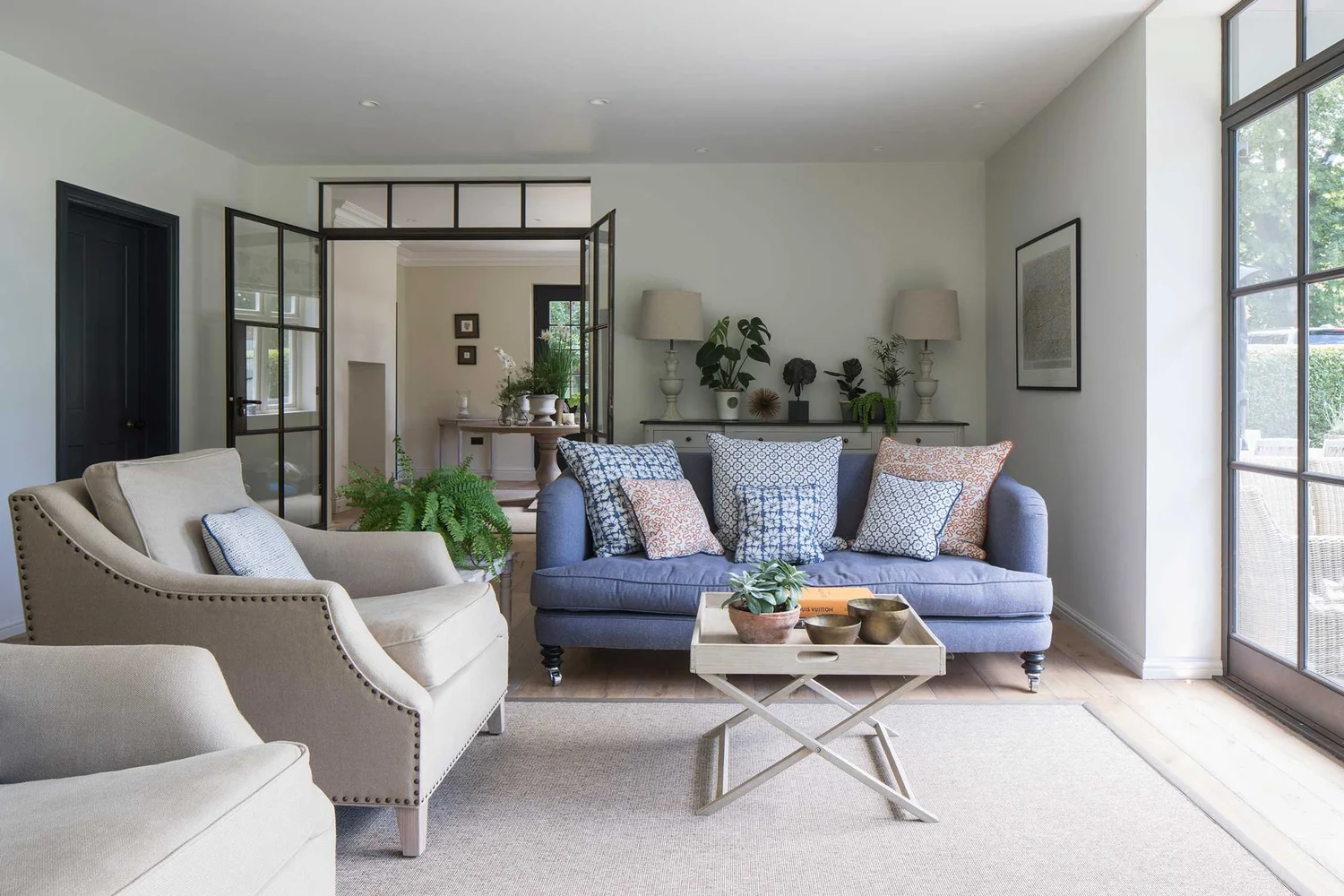
1 by James French Photography
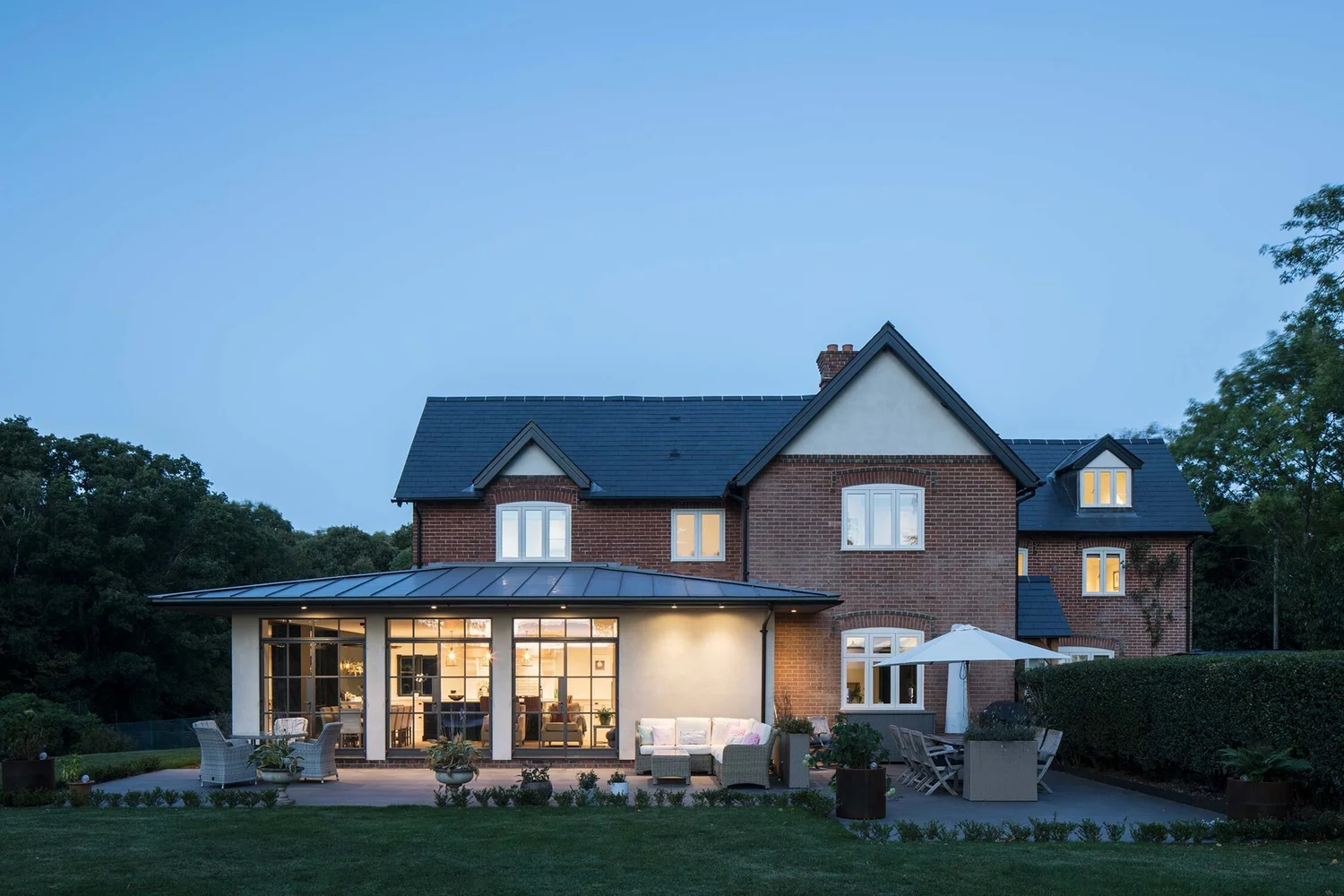
2 by Gavriil Papadiotis
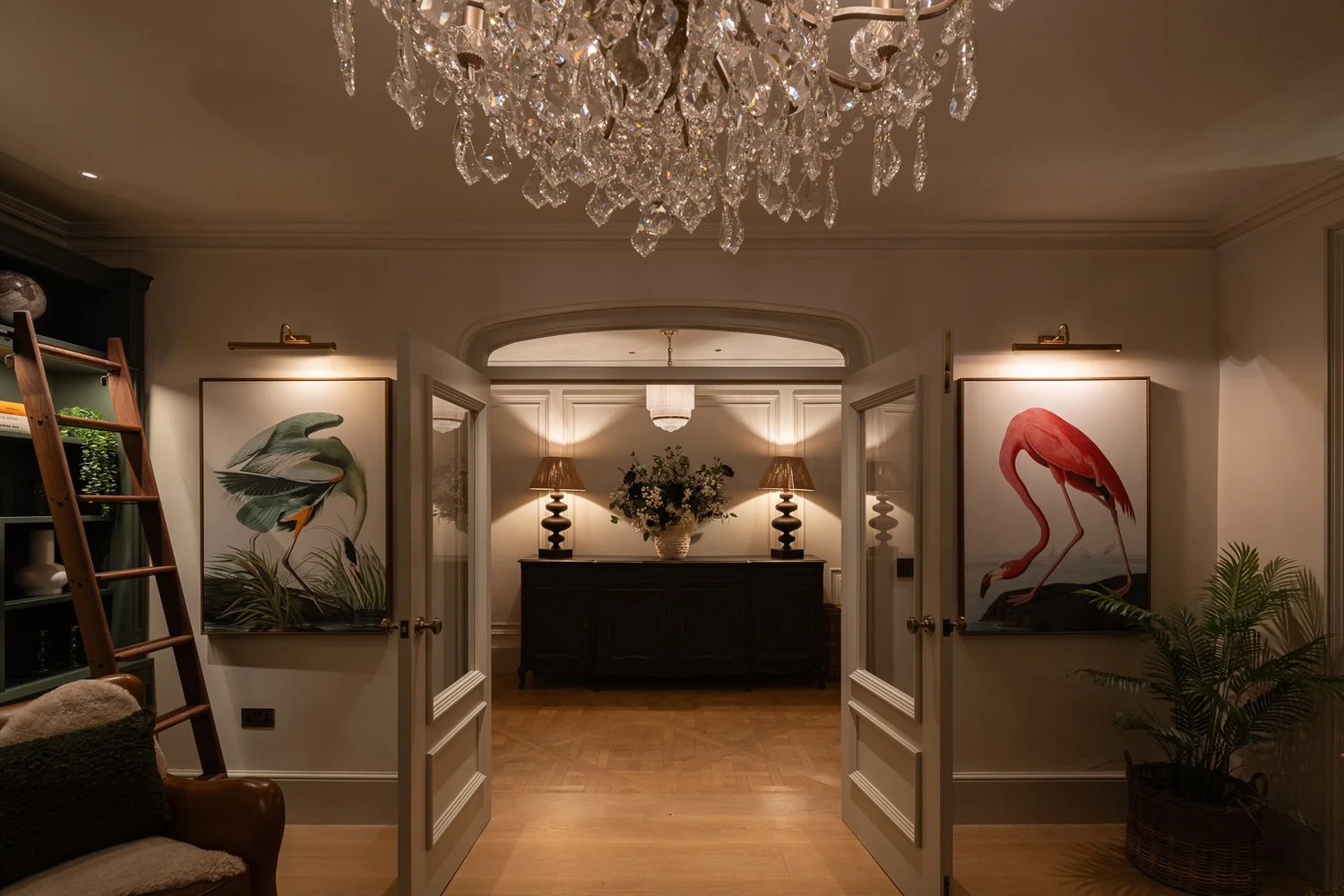
3 by James French Photography
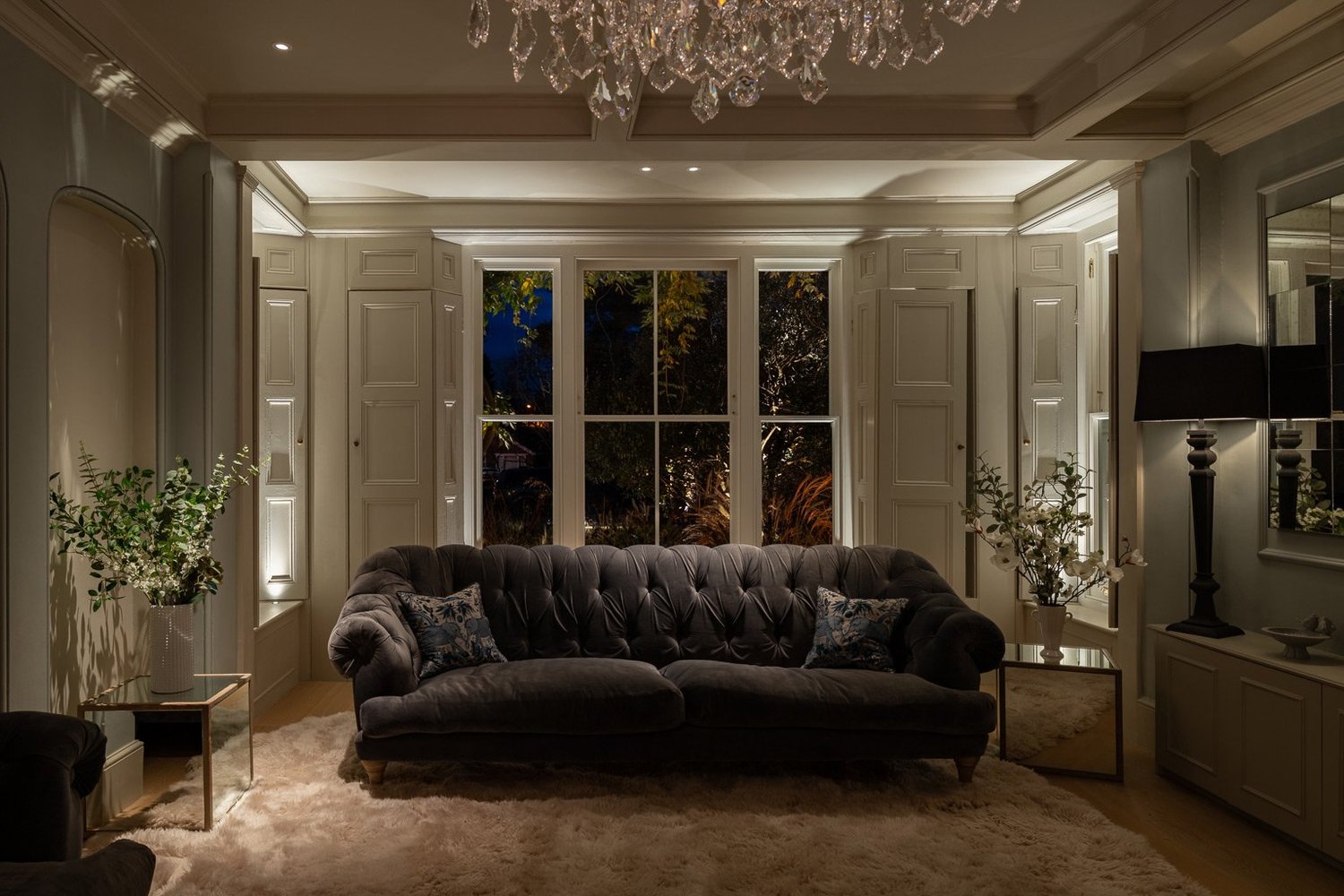
4 by James French Photography
6 by Joey Kendall-Brown (Brown Pictures Ltd)
7 by Joey Kendall-Brown (Brown Pictures Ltd)
12 by Joey Kendall-Brown (Brown Pictures Ltd)
13 by Joey Kendall-Brown (Brown Pictures Ltd)
14 by Gavriil Papadiotis
15 by Gavriil Papadiotis
16 by Gavriil Papadiotis
17 by Hannah Lovemore
18 by James French Photography
19 by James French Photography
21 by Gavriil Papadiotis
22 by Gavriil Papadiotis
23 by Gavriil Papadiotis
24 by Gavriil Papadiotis
25 by James French Photography
26 by James French Photography
27 - KLC London Street view


Show transcript
00:00:03: Johanna Stückler: Welcome to Licht hören, a podcast about light, lighting and the people behind it. Here we explore this fascinating field from education and daily practice to how we imagine and shape its future. Hello and welcome to Licht hören. I'm Johanna and today I'm joined by Jo Calver, founder of Isla James Interiors in the UK. Jo, I wanted to ask you, imagine I'd walk into a room you designed, what should I feel the first and seconds and what has light to do with
00:00:38: Jo Calver: So if you walk into one of our homes, think the first thing that you feel is a sense of cleanliness, of ⁓ warmth and of homeliness and style. I think the combination of all those things is so important in a home, that it feels like a home and not just impressive. And I think... Honestly, hand on heart, think light has everything to do with that look. You know, once you're using the correct Kelvin, the correct CRI, the correct light fittings, and in the correct places, it can completely transform the way that you see the interior.
00:01:18: Johanna Stückler: you who you are, what would you answer in a sentence? Like if I don't ask you for a job title.
00:01:24: Jo Calver: I manage and run two companies that are design led, one in lighting, one in interiors, and ⁓ we manage large projects and delivery of large projects.
00:01:41: Johanna Stückler: Wow, sounds challenging.
00:01:43: Jo Calver: It's definitely a very busy role that I have across the two companies. The lighting design business is easier only because lighting design is just one element of a project. Whereas the interior design, we have interior architecture, interior design, we have construction and implementation. But I did the interiors first, luckily, so the lighting was a little easier.
00:02:12: Johanna Stückler: What does interior design mean to you? Not as a style, but as an effect on the people.
00:02:17: Jo Calver: I can't undo my interwoven framework of lighting design and interior design. They are utterly connected for me, so I'm going to answer it for both. The feelings that you can create in a space because of lighting design are extraordinary. I always think that lighting design and the interplay of interiors is always a bit like... a scene in a play. So you know when you go and see a play in the theatre and they're showing you a morning, then they're showing you an evening, then they're showing you a rainy day, then they're showing you a sunny day. They do all of that with light, all of it. They create all of those different moods and feelings, all with light. And I think it's the same in a home. When you're, you you've got a computerised system and you've got lots and lots of layers of lighting and you're setting those each to a different percentage, you can in one button... create a mood that you feel and I can't extract that lighting benefit from the interior.
00:03:15: Johanna Stückler: Yeah, I always feel that light can change a room and the mood of the room so much even without changing anything in the furniture.
00:03:25: Jo Calver: Absolutely agree. And actually the way that light is going at the moment as well is light is far more going in a sort of mental health direction in terms of circadian rhythms, in terms of biophilic design, which is the sort of bringing the inside outside and we're designing a really long indoor pool in a wellness center in a private residential home at the moment. we're designing these ceiling coffers. So as the client swims up and down, the ceiling coffers can be changed in color because she swims in the morning when she wants to be invigorated and feel lively. So when we have a cooler temperature so that she's like, okay, it's time to get up and go for the day. And then in the evenings, more orangey, it's setting her up for, you know, it's a swim before she goes to bed. So we're actually mimicking the circadian rhythm of the client. using the lighting.
00:04:20: Johanna Stückler: Is that something that people surprise us and they say like, ⁓ that changed?
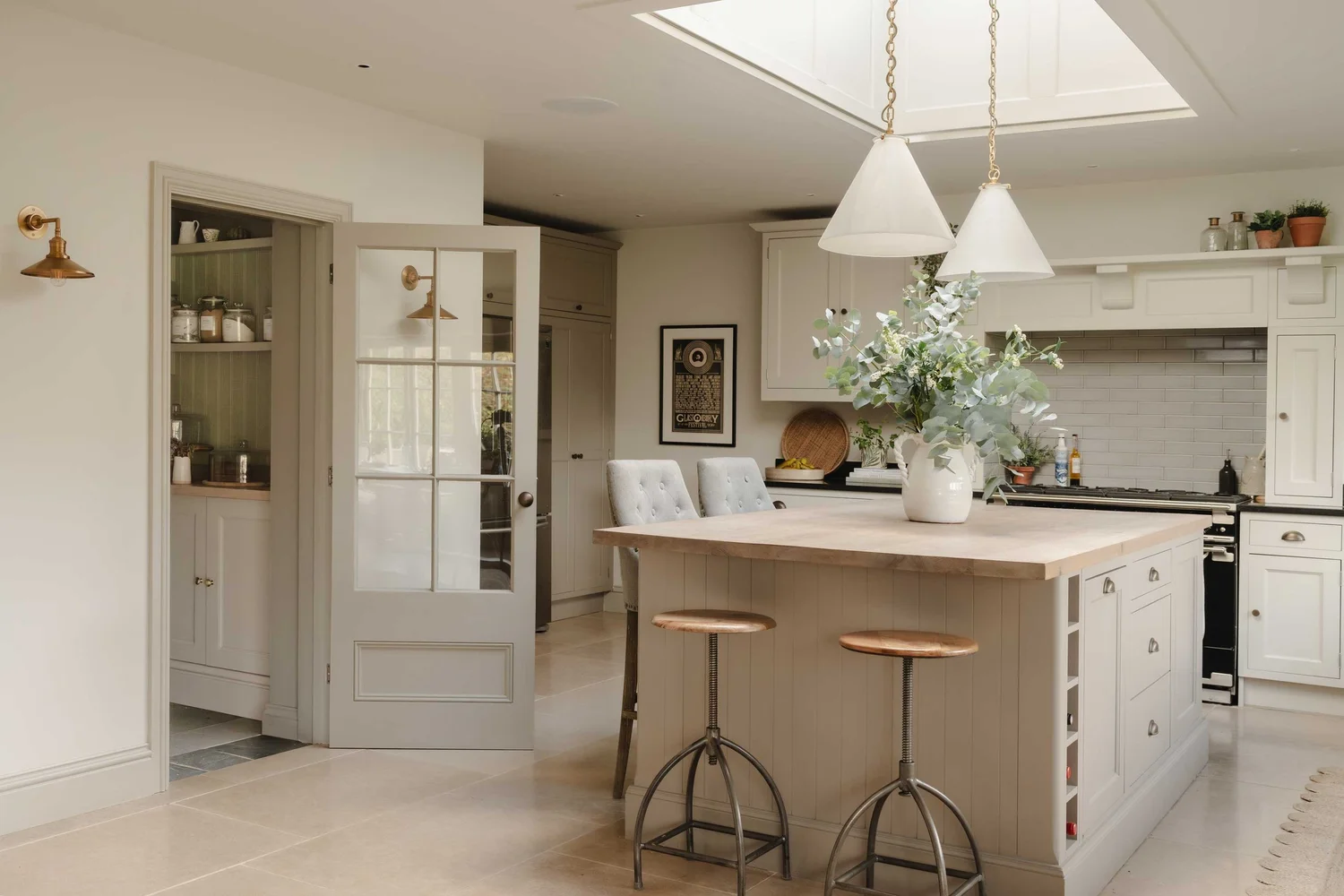
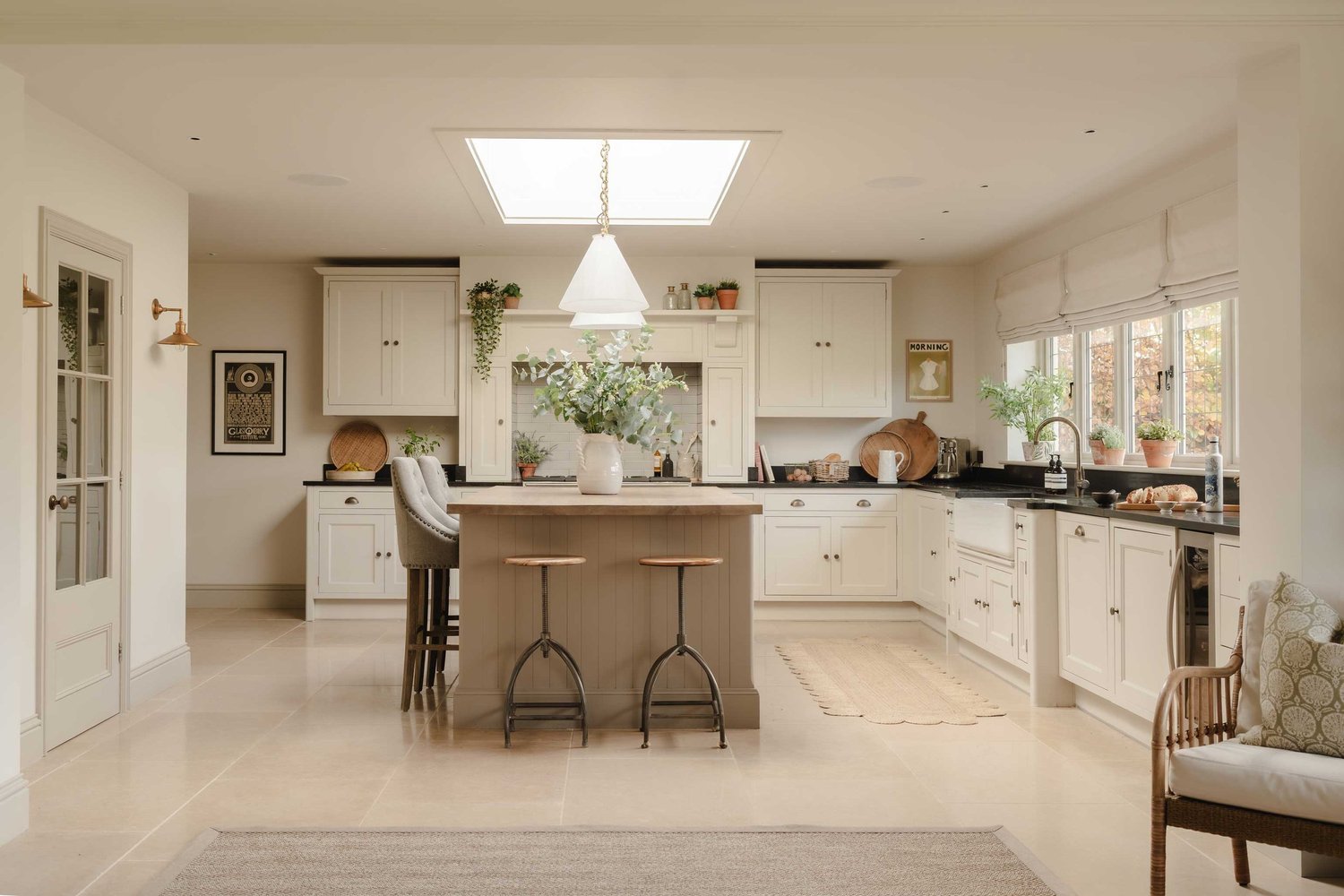
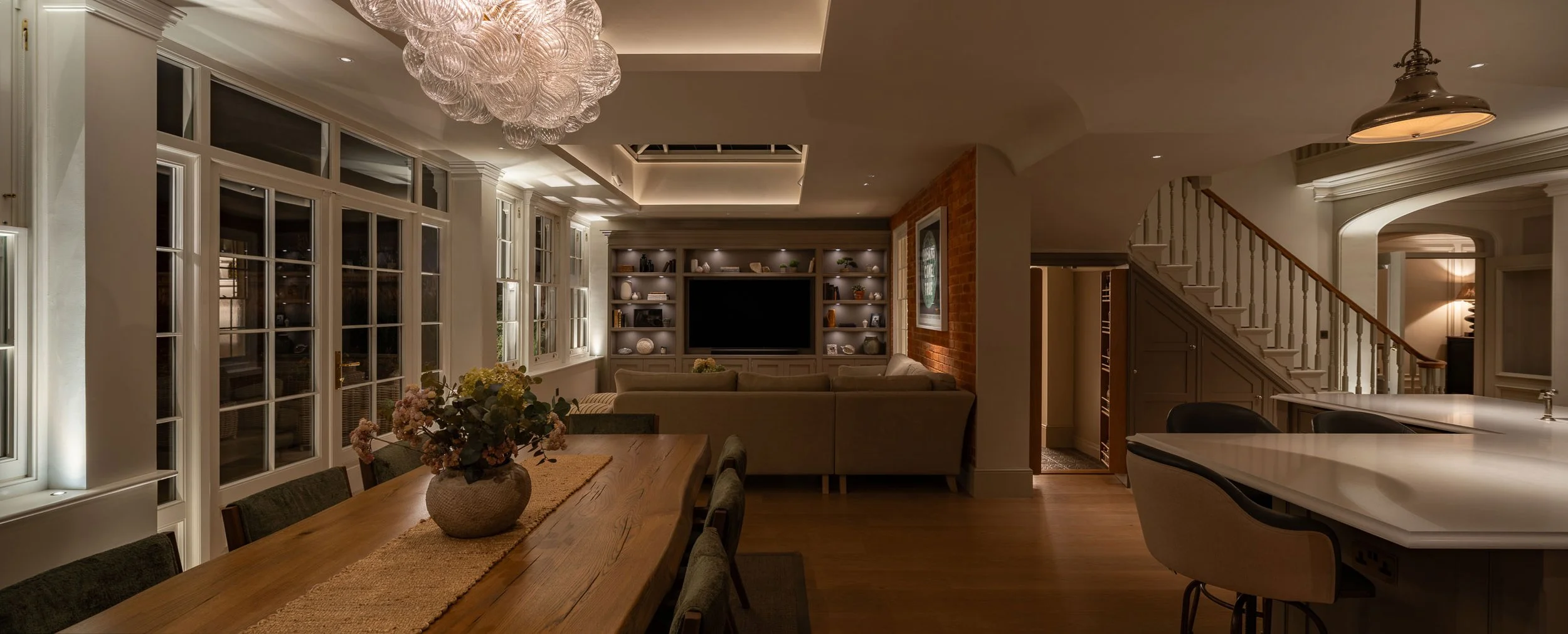
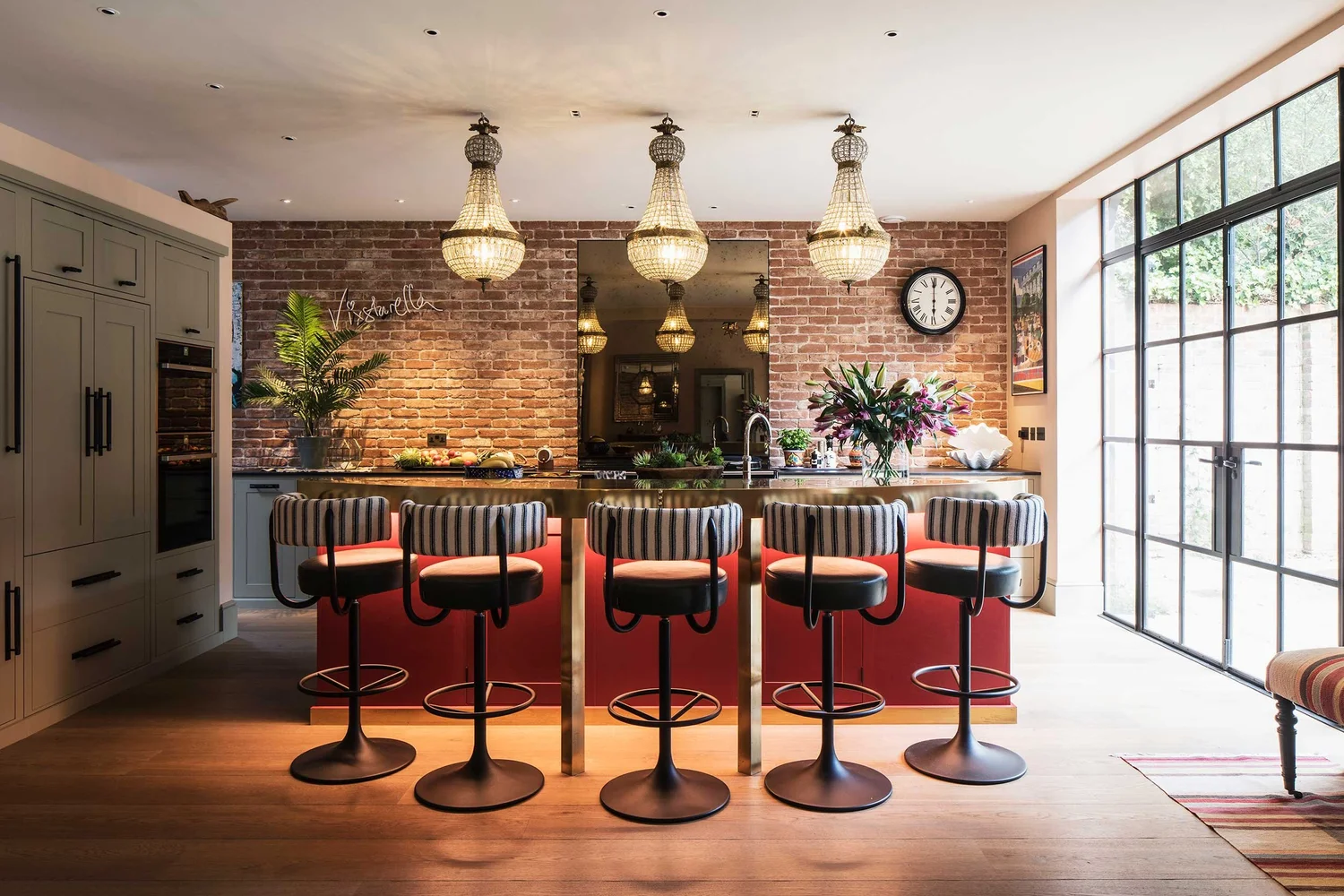
00:04:25: Jo Calver: changes everything? I think there's still so much misunderstanding about lighting and I think, you know, we're so far from now just having a pendant and a couple of down lights, you know, creating multiple layers. For example, in an open plan kitchen, living, dining space, we will have as many as 28 circuits and all of those circuits are doing different things and all of those circuits are helping us create that mood of that play. I'm cooking. I'm, I'm you know, the kids are watching a movie in the evening. I don't want all the lights on. We're dining. I want the dining room table lit, but I don't want the other areas to be in the front. you know, pressing all those different buttons and creating all these different moods. I just don't think that that is understood. And it is kind of one of the things that I really want to do is try and help people understand that by showing in videos what... that means that the press of a button does a preset of all those 28 circuits to a percentage that I set that scene at and that creates that playset for that mood.
00:05:35: Johanna Stückler: What happens to a room when there's only just one central light point? Like, what is happening? Please tell me what you see there.
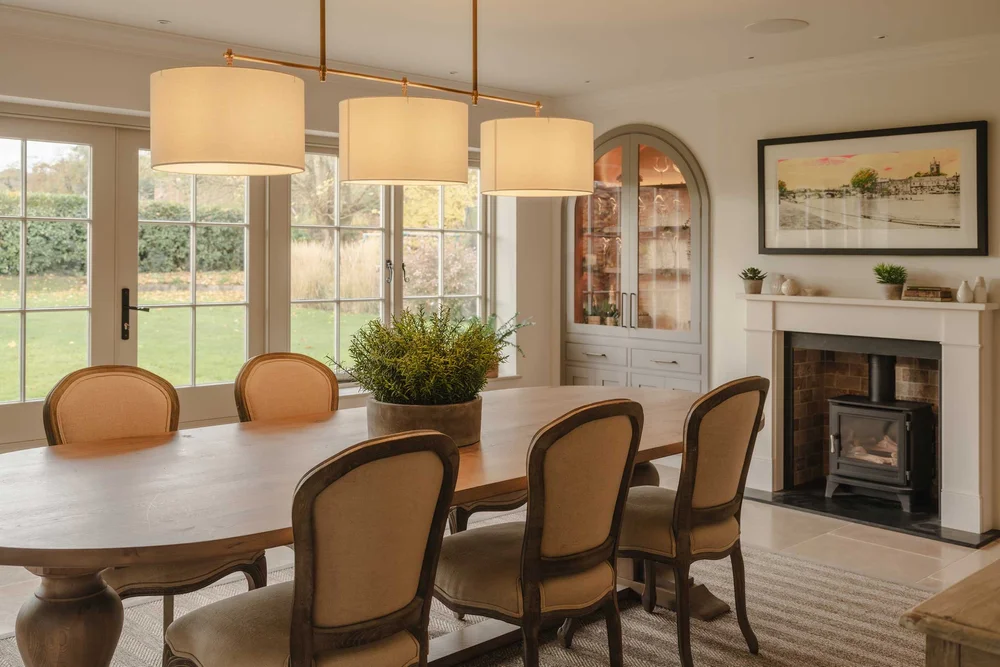
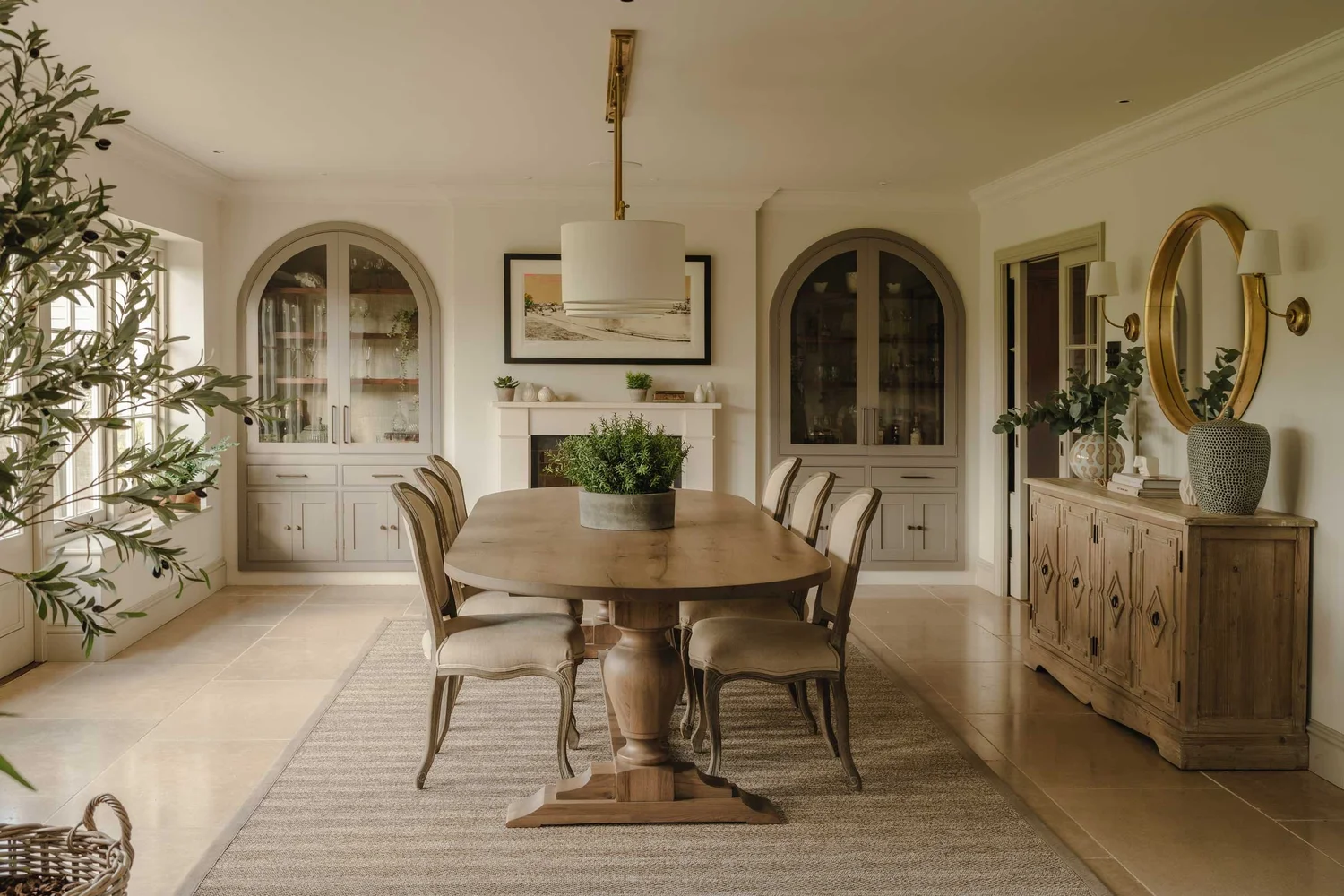
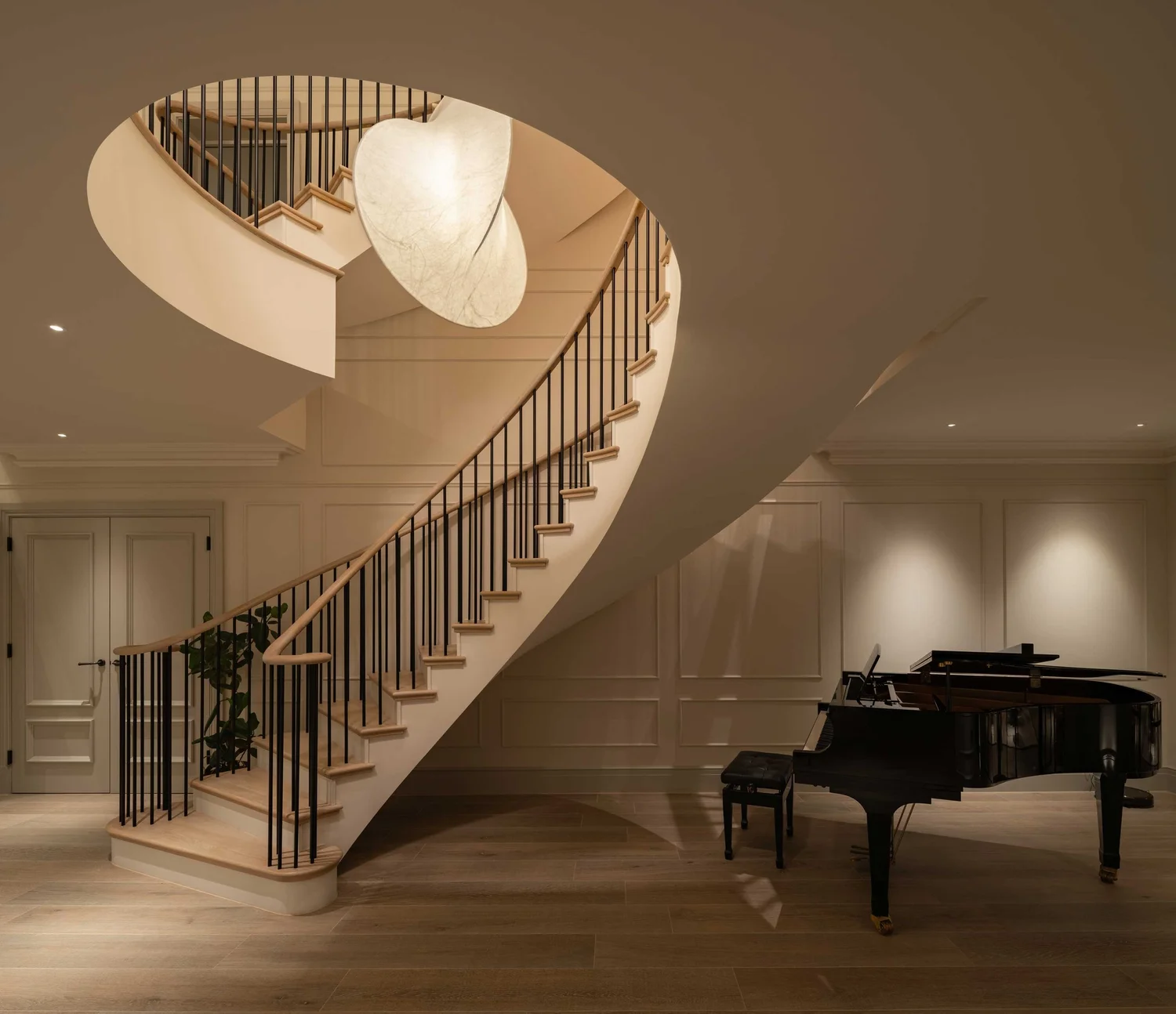
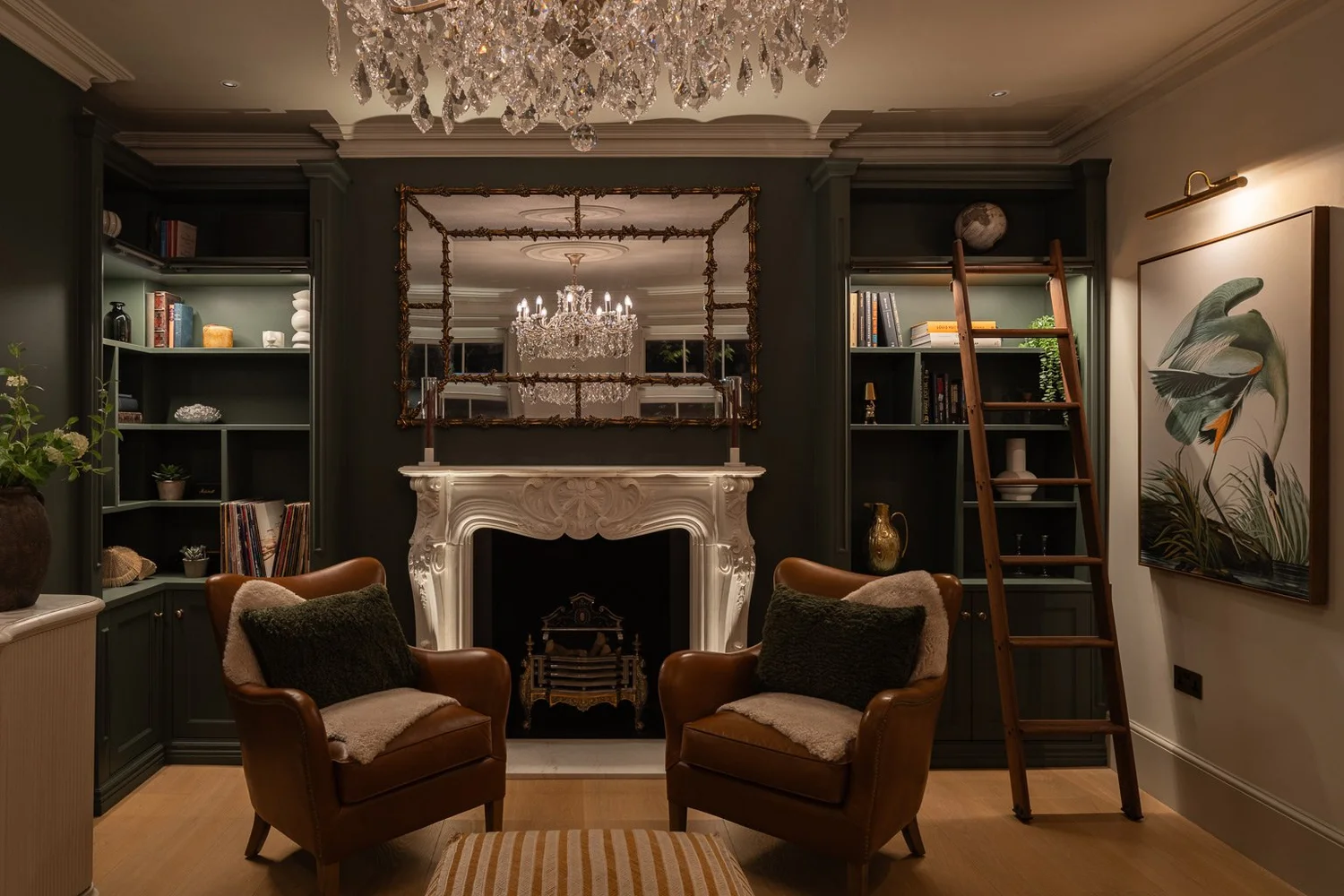
00:05:44: Jo Calver: For example, if it's a pendant that just throws light everywhere, then you get a very flat feeling in the room. It's one-dimensional, the light's always the same. I mean, the first thing you do is put it on a dimmer, of course, so that you can control the light levels in that room. But even then, it's fairly stark and fairly basic as to what you can actually achieve from that pendant. It's really just giving you one dimension. And most of the time, what people say to me is, well, I only ever put my lamps on anyway. And that's what people do. So they put lamps into the room and they put them around the room and then they get this more dimensional feel of the room. If, for example, you've got a set of downlights in a room and that's all you've got in there, what actually happens? So you quite often see grid lighting where lighting is, it's just positioned beautifully on the ceiling. but it actually serves no purpose other than to light the entire room for a clean. So when they're all on, what happens is the light is sent down to the floor and the floor is highlighted. What that does is when you walk into a room, it sends your eyes straight down to the floor and you assess the floor area immediately. So if you're in a small space or even in a big space, but if you're in a small space in particular, it's going to immediately make that space feel smaller. And it's very, very dull and it's very draining, I think. The look is very draining. And actually, if you locate just those spotlights, we're not even talking layers here, we're just talking about the location of where the light hits. If you move those spotlights to, for example, as we've got here, the two pictures highlighted behind me, you lift the eye up, it goes from the floor up to the walls and it pushes away from you and immediately the room not only feels bigger, but you're drawing the light, the attention of where your eye is interested to the walls and to the features that you deliberately with your lighting design choose that viewer to see.
00:07:51: Johanna Stückler: If you lightroom well, what layers do you use? Like what layers does it need? Could you explain it?
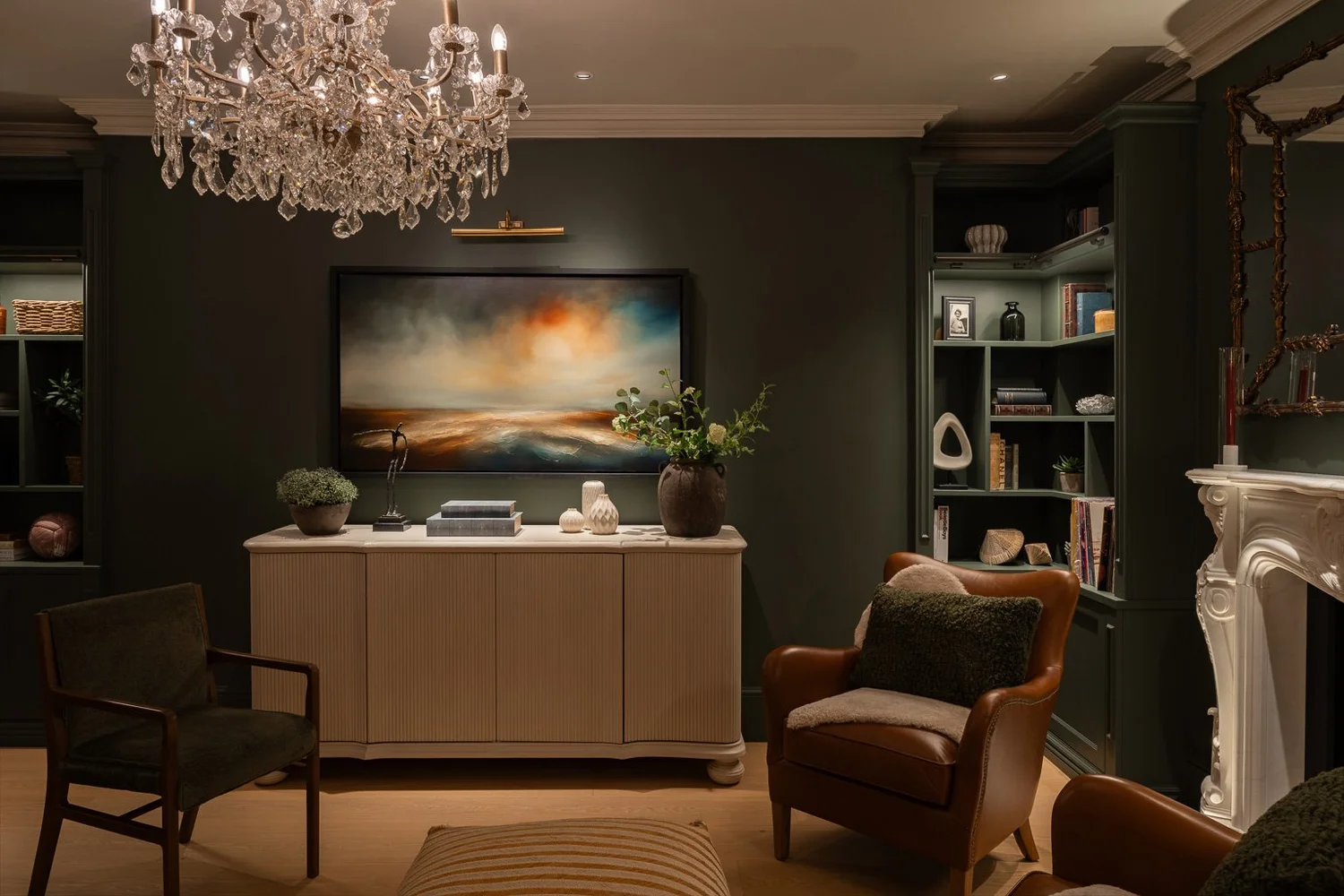
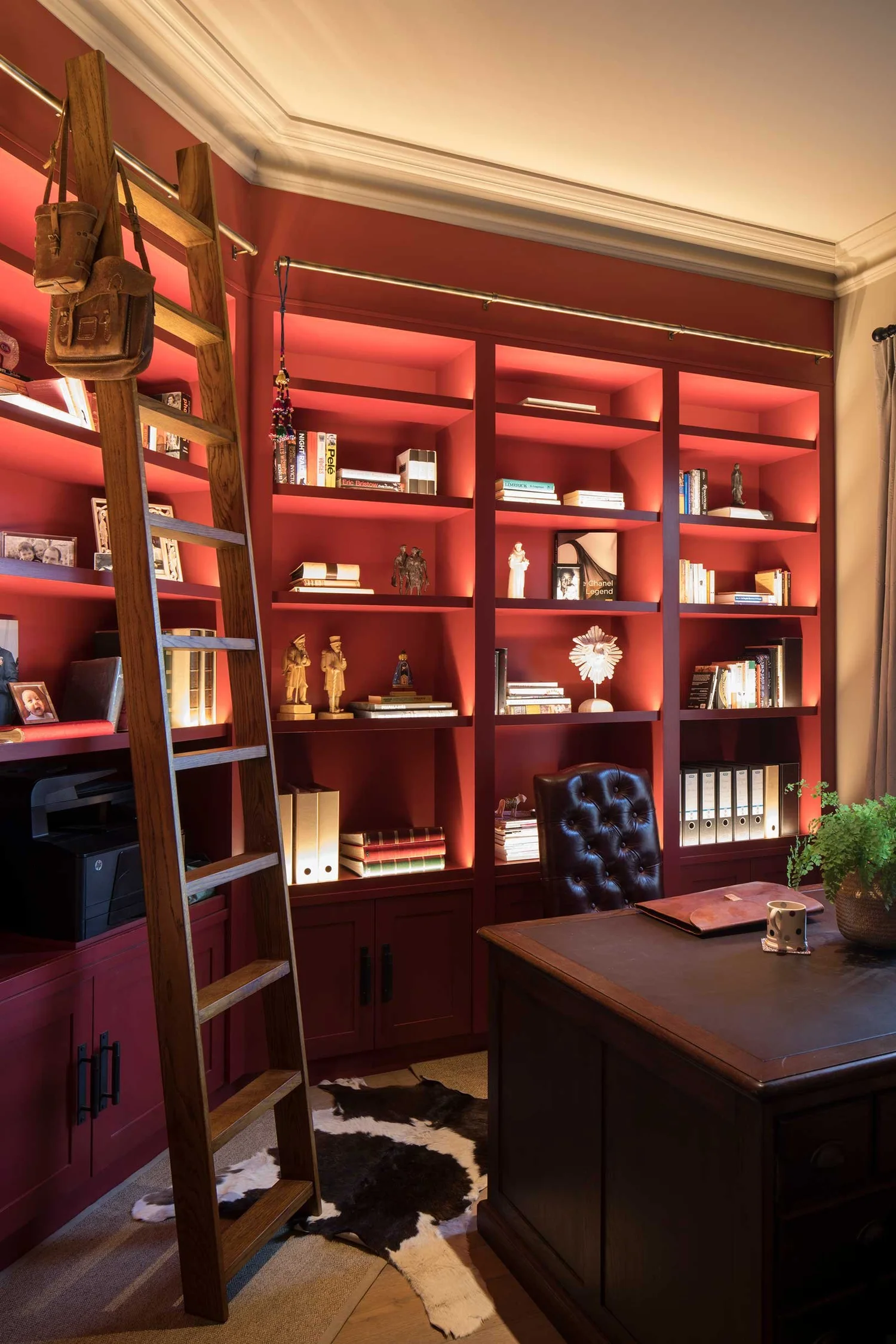
00:07:59: Jo Calver: So let's take a drawing room or a sitting room or a lounge. So it's essentially somewhere where you'd go a little bit more formal than your kind of open plan spaces. So the lamp lighting that everybody loves and is the look that everyone is going for, quite often we try and build joinery into that room. And the joinery gives us an opportunity to add that lamp light glow. and it can be dimmed right down and you can have it slightly higher, you can have it a warmer Kelvin. That is one circuit that we always do. Quite often in our highly complex designs, we might add as many as two circuits or three circuits into that one joinery piece because what they will do is, for example, if you had books on a shelf, when you light it from the front, you light the binds of the books and it looks absolutely amazing. If you've got shelving that has pots and accessories. But if you want to create this kind of like really moody, amazing evening scene, you can light from the back and throw the pot into silhouette. You can create these different looks, these quite multi-dimensional looks. We're just talking about two or three circuits within the joinery at this stage. So the other things that I love. using very very very tiny miniature up lights in the windows and I love that because we quite often have the linen fabric against the window and with the up lights in it just catches all of the linen in the evening and it just looks incredible. I think in a drawing room it's really nice to have quite a large pendant but we might support that pendant because that pendant might be a chandelier, it might be glass. and it doesn't really deliver light to the coffee table underneath with the books and the beautiful candles. So we put in architectural lights to suit that. And we would put it on a separate circuit. We might have some more lights or picture lights. Then there might be a piece of artwork that doesn't actually have a picture light, but you want to highlight it. There might be a periphery circuit as well. That's seven circuits already. But it's what gives you the flexibility and the control to set different moods.
00:10:03: Johanna Stückler: That's a lot. ⁓ So in a children's room, what would you use? Like you would still have at least three layers, wouldn't you?
00:10:17: Jo Calver: And now, depending on the design, either at the bedside, we'd have either pendants or a lamp or a wall light. The second circuit, we always have some sort of open joinery, like a desk with some shelving or something. And then quite often, you'd probably have a pendant as well, because it's a bedroom and you want to soften it, maybe with a central pendant over the bed. And then we would also just finish off with... some down lights that might be against the wardrobe fronts or quite often we send a little down light just in front of like a door to the en suite or a door out. They're kind of like, there's something to see here, know, somewhere to go. So those are four circuits that, you know, are pretty basic to put into a bedroom.
00:11:07: Johanna Stückler: You explain this so clearly and it's really clear to you, but do you often get messages from customers or designers saying, like, I want to learn this, but I don't know where to start?
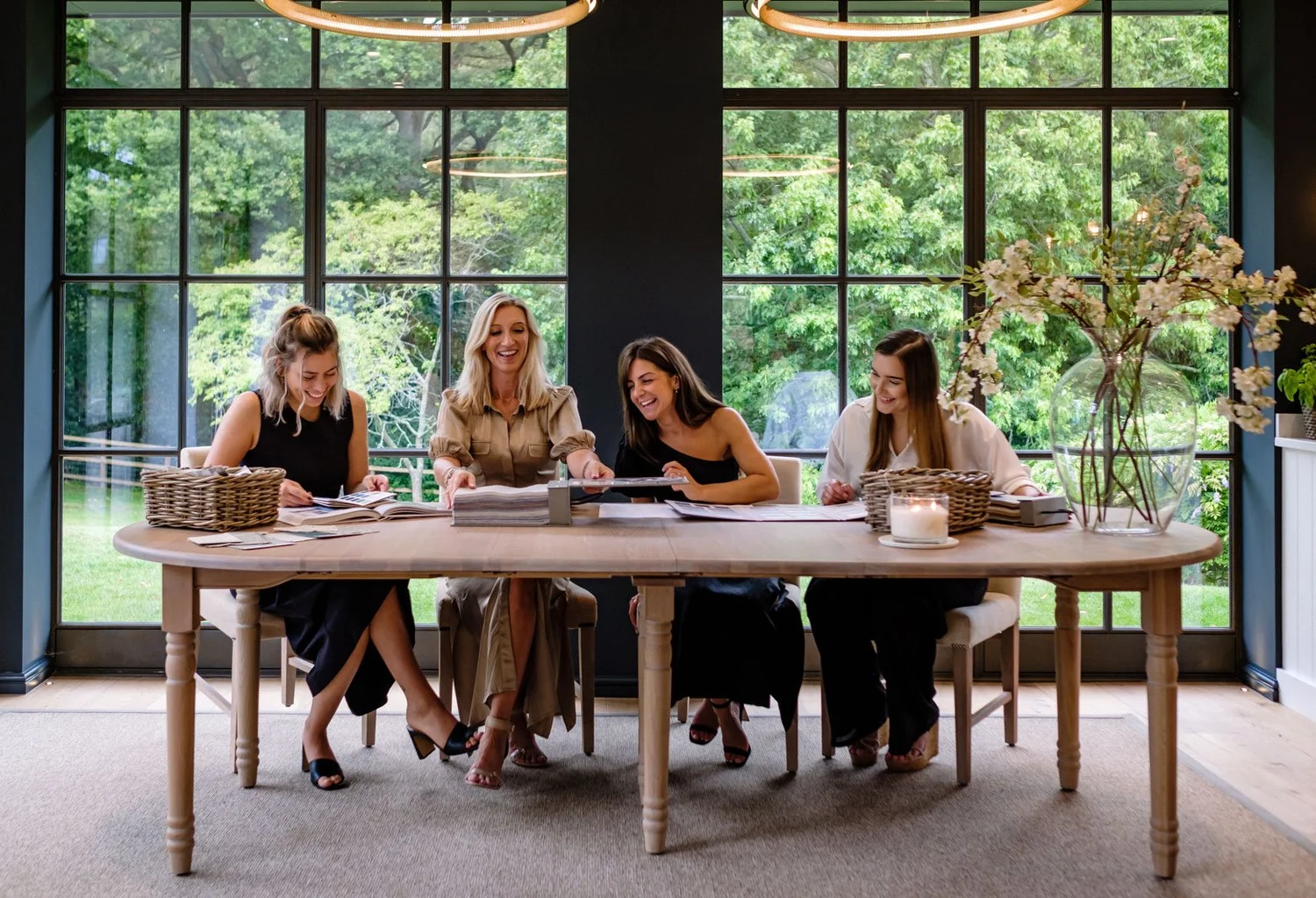
00:11:17: Jo Calver: I teach lighting at KLC, which is a college in London, and they said to me the other day, well, where can I go to find out and where can I learn more? Like, I love what you've talked about and I feel like this is something I need to know more about. And it's partly why I decided to write a course on lighting design, because I felt that there was, mean, interior design has a lot of writing courses about it. how to do interior design, and I suppose that's where the idea came from. But also it's more to spread the word of light and also to encourage people into light as a profession. The course teaches you about the fundamentals of light, about how to look at light maybe differently initially, and then to train your eye to see light. I mean, it also occurs because you'll then start noticing all the bad lighting that there is around the world, so be warned. ⁓ But it also teaches you all about the pathway of light, how light works, how to see light, how you can use it in a project. And then it teaches you to actually write your own basic, admittedly, but how to write your own lighting plan for your own space.
00:12:34: Johanna Stückler: ⁓ The more we talk about light and the more people know about it, the better. What is a less glamorous part of your work? Like the bits people never see from the outside.
00:12:45: Jo Calver: think it looks very glamorous when you see Instagram and I'm just wafting down a corridor and you know, like a catwalk. That's the glamorous bit, but that's very rare and normally I'm very hungry at the time. I think the less glamorous bits is we get stuck in a lot of administration. We get constantly badgered by contractors as well. you know, if we're visiting sites, that's great because we can cover all their questions. So it can be quite a lot of administration, which we factor into our project. So it's not a problem, but it's not. glamorous. The other thing about ⁓ the glamorous sort of aspect of it is when we do a photo shoot, so the photo shoot looks great and on Instagram it looks amazing. But actually what happens on quite a few photo shoots is that I have to pick up all the accessories that we're going to put into the house because we don't use the client's own photographs of their family and so we take those down and we accessorise the shelving. and I have to go and collect all of those things and package them all up and then I put them in my car. This is very early in the morning. I drive to the location, I unpack them, I take all the client stuff off the shelves, I put all of it onto the shelves and then at the end of the photo shoot I have to take it all off, put all the client stuff back, pack it into my car, drive it back to the location and unpack it again. So the photo shoot is like a 10 to 12 hour day and by the time I'm unloading my car for the last time I am. I am properly done. That is not glamorous.
00:14:18: Johanna Stückler: I wanted to ask something for the listeners. What could be three small things our listeners could do tonight to make their home lighting feel better without any renovations?
00:14:30: Jo Calver: Okay, without any renovations, think, you know, adding lamps to a room and more than one will give you that kind of lit effect. We have these bulbs called silver topped bulbs. Okay, so the top of them is basically covered in a silver, which means that light cannot travel up. So quite often light looks very lovely pulled onto surfaces. So if you add these silver top bulbs to your lamps, It means that all the light from the lamp goes down onto the table underneath it and that is a very cosy, very warm feel and look. This isn't an instant fix, but a temperate, like you could fix it within a week or whatever. I would put everything that you have, every circuit that you have on a dimmer so that you are able to control those light levels. And where you've got, say, joinery where you're like, well, the joinery is built, I can't add lighting into it, you can buy these rechargeable lamps now. And they do the cutest little ones that you just charge and then you place it into your joinery and then just recharge it when it's not in use. And they are amazing. So I think you can really transform your lighting without completely renovating your room.
00:15:54: Johanna Stückler: What are some common mistakes, lighting mistakes, see very often and what might be a simple fix to it?
00:16:00: Jo Calver: common lighting mistakes we see is that grid lighting I was talking about. We see that a lot. And quite often people say to me, well, I just told my electrician to put lights wherever they wanted. in this country, electricians like symmetry on the ceiling and they don't like anything out of line. I don't mind a light being stepped out or a light being stepped in because in my mind, it's where it's hitting. what it's doing is the most important thing. So they'll often say to me, ⁓ know, your light's out of line. And I'm like, yeah, but it's not when it's on, is it, on the wall. So, but I think, you know, do not get your electrician to do your lighting design if you want a good lighting design. So that's the first step. The second step is definitely educate yourself about lighting design because I think with a few small nuggets of knowledge, I think you can make some really good decisions in your home about lighting. And then, I tell you another big mistake that people make, and that's putting feature lighting, so I.e. pendants and wall lights on the same circuit. You need one circuit for wall lights, one circuit for your pendant. And if you've got wall lights and picture lights, separate your circuits so that you can control those as well.
00:17:26: Johanna Stückler: That sounds really doable. One thing you wish people would understand about light in their home. What could that be?
00:17:34: Jo Calver: that it is literally the unsung hero. It is everything about your project. And if you don't recognize that, then your project will not be as good as it could look.
00:17:48: Johanna Stückler: So dear listeners, stay tuned for Isla James' interior stuff, like as I am. So Jo, thank you very much for being here and it was so interesting talking to you. Thank you.
00:17:58: Jo Calver: That's a pleasure. Thank you for having me.
00:18:01: Johanna Stückler: Are you new to lighting or ready for more? Follow your curiosity. Start small and keep growing. There are degrees, part-time courses and events to dive deeper into lighting. Further information in the show notes and at lichtpodcast.org.
00:18:14: Johanna Stückler: Learning also happens in the community. Join lighting societies, local working groups and open meetups. Visit trade fairs and congresses globally and also in your region. You can meet people
00:18:30: close to you and from around the world. Dates and links are in the show notes. You have been listening to Lichthören, a joint project of the Lighting Societies of Germany, Austria and Switzerland. Thank you for listening. You'll find ways to connect with us through the comments or in the show notes.
New comment